Simple Strategies to Make Balanced Eating Part of Your Routine
Planning meals in advance is a practical way to maintain a balanced diet and integrate healthy eating habits into everyday life. By organizing meals thoughtfully, individuals can reduce stress around food choices, minimize last-minute unhealthy options, and create a consistent routine.
One approach is to dedicate time each week to plan meals. Listing meals for breakfast, lunch, dinner, and snacks ensures that all necessary food groups are included. Planning also helps with grocery shopping, reducing food waste, and making sure nutritious ingredients are available at home.
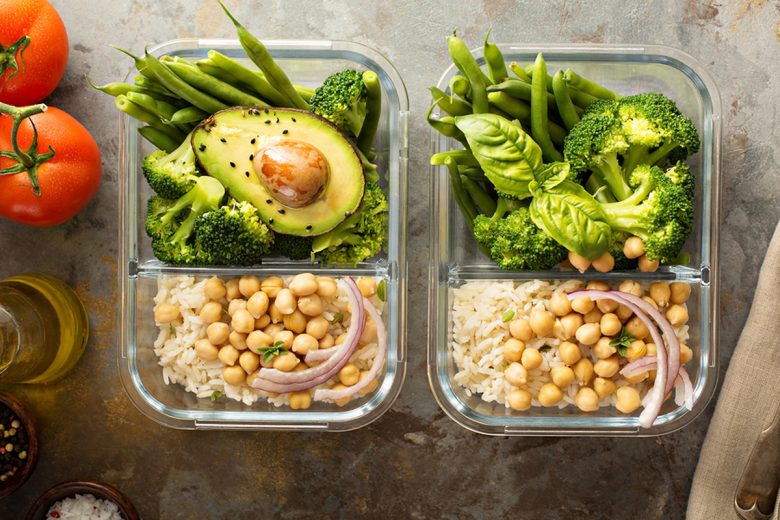
Batch cooking or preparing ingredients in advance can simplify daily meal preparation. For example, cooking grains, proteins, or vegetables in larger quantities and storing them for several days can save time while maintaining a healthy diet. Prepping fruits and vegetables for easy access also encourages their inclusion in snacks and meals.
Variety is important for both nutrition and enjoyment. Rotating different vegetables, grains, and proteins throughout the week helps provide a range of nutrients and keeps meals interesting. Trying new recipes or cooking methods can also add excitement to everyday meals.
Balancing convenience and nutrition is another practical tip. Quick, healthy meals do not have to be complicated. Simple options like salads with mixed vegetables and protein, stir-fries, or overnight oats provide both nutrients and ease of preparation.
Finally, flexibility is key. Life can be unpredictable, and occasional deviations from the plan are normal. The goal is to maintain overall consistency rather than perfection. With a flexible approach, meal planning becomes a sustainable habit that supports balanced nutrition and overall wellness.
By using these strategies, individuals can make balanced eating manageable, enjoyable, and part of their daily routine, creating long-term habits that contribute to everyday health and vitality.